Essential Valves for Efficient Food Packaging Solutions
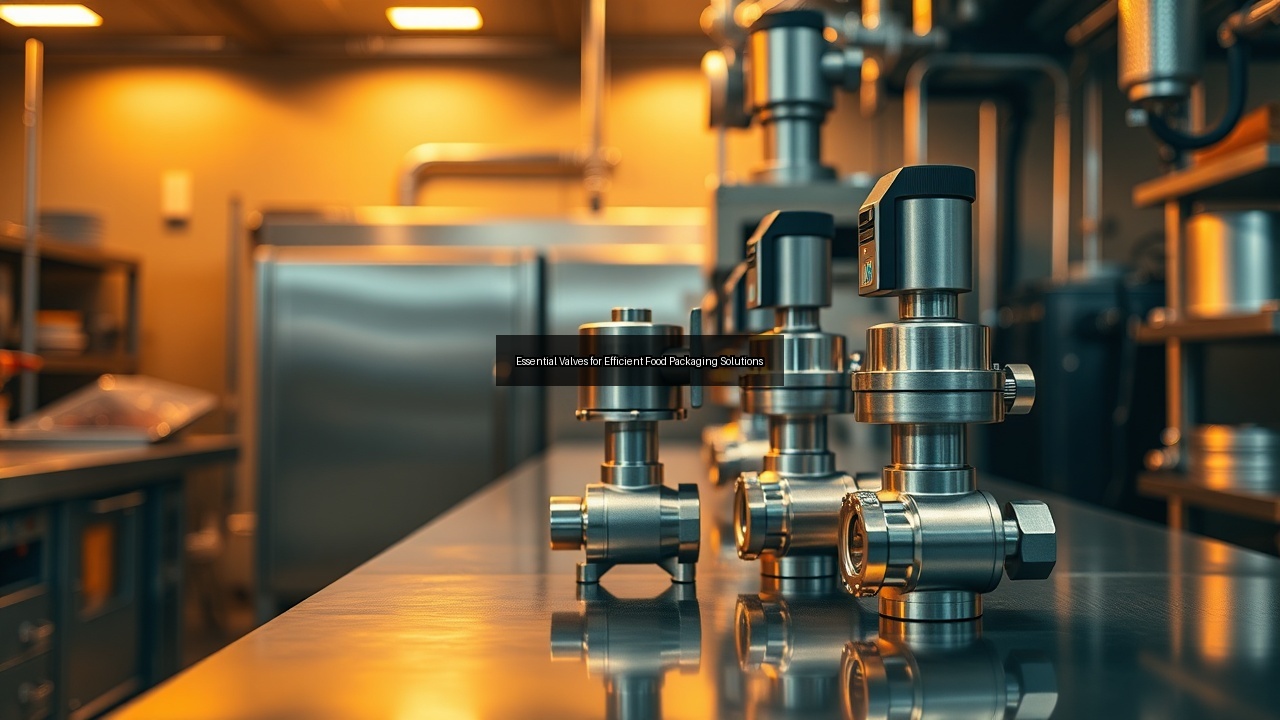
Understanding the Role of Valves in Food Processing
Importance of Valves in Food and Beverage Industries
Valves play a crucial role in the food processing industry, serving as the backbone of various operations. These components control the flow of fluids, ensuring that ingredients and products move seamlessly through the production line. In the food and beverage sectors, the right valves contribute to maintaining quality, safety, and efficiency. They regulate temperature and pressure, which is vital for processes such as pasteurization and sterilization. Without proper valve functionality, manufacturers risk contamination, spoilage, and product inconsistencies, all of which can lead to significant financial losses and damage to brand reputation.
Types of Valves Commonly Used in Food Packaging
Several types of valves are prevalent in food packaging, each designed to serve specific purposes. Control valves are essential for regulating fluid flow, enabling precise adjustments for optimal performance. Ball valves, known for their durability and ease of use, are often employed in various food processing applications due to their reliable sealing capabilities. Safety relief valves protect systems from overpressure by releasing excess fluid, ensuring valves food processing applications safe operation. Check valves prevent backflow, maintaining the integrity of the process and safeguarding product quality. Understanding the various valve types helps manufacturers select the right solutions for their specific operations.
Key Applications of Valves in Food Processing
Valves find application in numerous stages of food processing, from ingredient handling to packaging. In the beverage industry, valves are essential for transferring liquids, mixing ingredients, and controlling carbonation levels in products like sodas and juices. In the production of baked goods and confectionery, valves facilitate the movement of dough and syrups, ensuring uniform distribution and quality. Automated systems increasingly rely on advanced valve technology for efficient operations, allowing for real-time monitoring and adjustments. Whether in a small bakery or a large-scale beverage facility, valves ensure that processes run smoothly and efficiently, contributing to overall productivity and product quality.
Types of Valves for Efficient Food Packaging Solutions
Control Valves: Ensuring Precision in Fluid Flow
Control valves play a pivotal role in maintaining precise fluid flow in food processing applications. These valves adjust the flow rate, pressure, and temperature of liquids, ensuring that the product meets stringent quality standards. By utilizing advanced technologies, such as pneumatic or electric actuators, control valves allow for automated adjustments, increasing process efficiency. For instance, in the beverage industry, control valves manage the carbonation level in soft drinks, ensuring a consistent taste and texture. In a high-speed production line, these valves minimize waste and enhance productivity, making them indispensable in modern food packaging solutions.
Ball Valves: Versatile Solutions for Food Packaging
Ball valves are favored in the food processing industry for their versatility and reliability. These valves consist of a spherical disc that controls fluid flow, providing a tight seal when closed. Their simple design allows for easy operation and maintenance, making them a popular choice for food and beverage applications. Ball valves excel in high-pressure environments, crucial for processes involving carbonated beverages or hot liquids. Additionally, they come in various materials, including stainless steel, which complies with sanitary standards. This versatility makes ball valves suitable for a wide range of applications, from liquid transfer to ingredient processing, ensuring efficiency and safety in food packaging.
Safety Relief Valves: Protecting Your Process
Safety relief valves serve as critical components in food processing systems, preventing overpressure situations that could lead to catastrophic failures. In environments where temperature and pressure fluctuate, these valves automatically release excess pressure, protecting equipment and ensuring safe operation. For example, in pasteurization processes, safety relief valves prevent steam buildup that could otherwise damage machinery or compromise product safety. Compliance with safety regulations is paramount in the food processing industry, and using reliable safety relief valves ensures that manufacturers meet these standards while safeguarding their operations and products.
Check Valves: Maintaining Backflow Prevention
Check valves are essential for maintaining the integrity of fluid systems in food processing. These valves allow fluid to flow in one direction while preventing backflow, which can lead to contamination and spoilage. In applications such as beverage bottling, check valves ensure that liquids do not reverse direction during the filling process, maintaining product quality. Additionally, these valves protect pumps and other equipment from damage caused by backflow. In automated systems, check valves are integral to maintaining consistent operation, ensuring that production lines run smoothly without interruptions or quality issues.
Sanitary Standards and Safety in Food Processing Valves
FDA Regulations for Food Processing Equipment
Compliance with FDA regulations is non-negotiable in the food processing industry. The FDA establishes stringent guidelines for equipment, including valves, to ensure food safety and quality. Manufacturers must select valves designed specifically for food processing applications that meet these regulations. This includes materials that are non-toxic and easy to clean, preventing contamination during production. Regular inspections and documentation are critical for maintaining compliance, and manufacturers often work closely with suppliers to ensure that all equipment, including valves, adheres to these standards. By prioritizing FDA compliance, manufacturers protect their products and consumers while enhancing their brand's credibility in the market.
Sanitary Design Considerations for Valves
Sanitary design considerations for valves are crucial in preventing contamination and ensuring food safety. Valves used in food processing must feature smooth surfaces, minimal crevices, and easy disassembly for cleaning. Materials such as stainless steel are preferred for their resistance to corrosion and ease of sanitation. Additionally, valves should comply with industry standards, such as 3A Sanitary Standards, valves food processing applications which outline the requirements for hygiene and safety in food processing equipment. By investing in sanitary valve designs, manufacturers can enhance product safety, streamline cleaning processes, and maintain high quality in their food packaging operations.
Resources for Compliance in Food and Beverage Industry
Numerous resources are available to help manufacturers navigate compliance requirements in the food and beverage industry. Industry associations, such as the Food and Beverage Industry Association, provide guidelines and best practices for selecting and maintaining food processing valves. Additionally, regulatory agencies offer online resources, including documentation on FDA regulations and sanitary standards. Manufacturers can also consult with valve suppliers who specialize in food processing applications, ensuring that they select the right products for their needs. By leveraging these resources, companies can ensure compliance, enhance safety, and maintain efficient operations in their food packaging processes.
See Also
- Safety Relief Valves and Their Critical Role in Food Processing
- Valves in the Food Processing Industry - Trends and Innovations
- The Unsung Heroes of the Food Processing Industry - Valves Explained
- The Essential Guide to Food Processing Valve Maintenance
- The Impact of Valve Design on Food Quality and Safety